How Reno's Climate Affects Garage Floors And The Coatings That Go On Them
Updated May 2026.
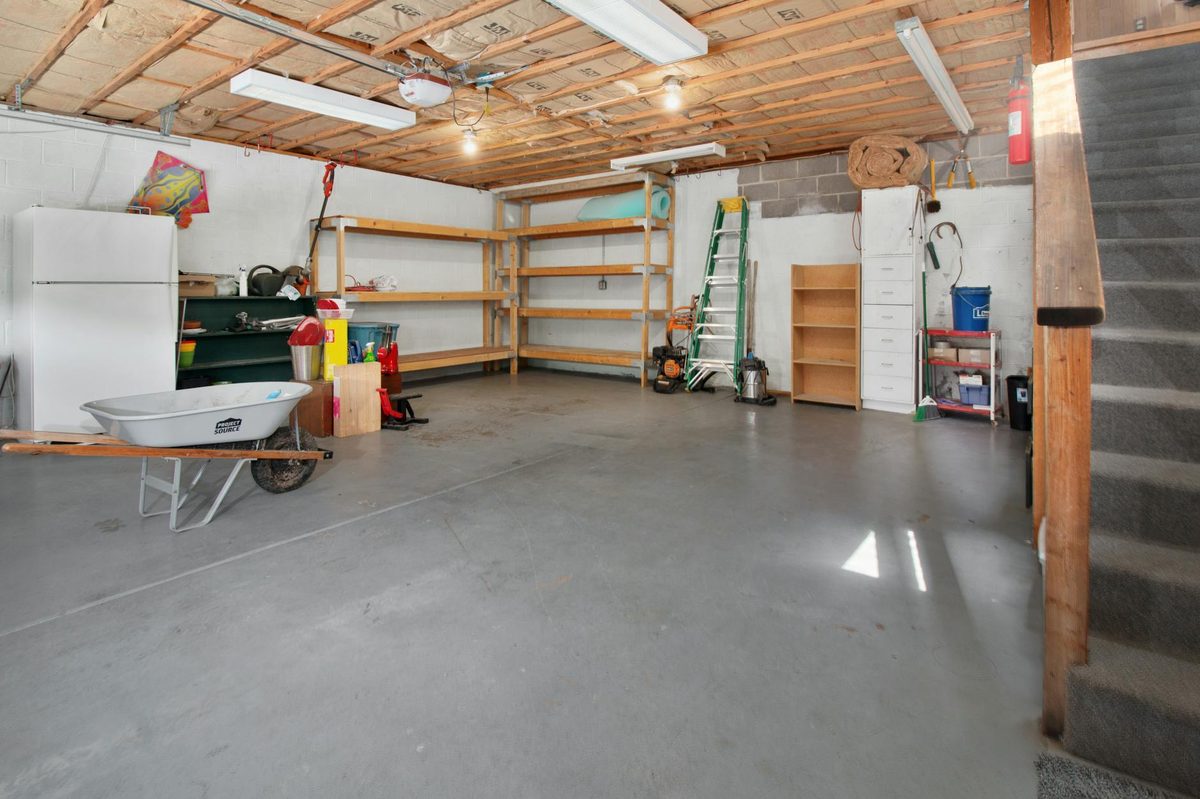
The High Desert Is Not A Mild Climate For Concrete
A garage floor coating that does well in coastal California or the humid southeast does not automatically hold up in Reno. The Truckee Meadows sits at roughly 4,500 feet of elevation in the northern Nevada high desert. The summers are hot and dry, the winters are cold and clear, the sun is bright most days of the year, and the daily temperature swing between afternoon and pre-dawn is wider than almost anywhere east of the Mississippi. Each of those climate features does something specific to concrete and to coatings. Understanding what does what is the difference between picking a system that fails in three years and one that works for many more.
Summer Heat And UV
Reno regularly sees 95°F+ afternoons through July and August and the sun is intense at high desert elevation. Surface temperatures on a south- or west-facing concrete slab can hit triple digits before the surrounding air does. On bare concrete, that heat dries the surface fast and pulls moisture out of any patch, joint sealant, or surface treatment. On a coating, the heat itself is not the problem because resin films are stable well above ambient temperature. UV exposure is the problem. The same sunlight that warms the slab also breaks down resin chemistry over time, and standard amber epoxy is particularly vulnerable. Without a UV-stable topcoat, an epoxy floor in a Reno garage with an open or windowed door will visibly yellow within a season or two and start chalking shortly after.
The fix is a polyaspartic topcoat. Polyaspartic resin is inherently UV stable and stays clear under prolonged sun exposure. Every modern professional system we install in Reno includes a polyaspartic topcoat as the final layer for this reason. It is the single most important spec decision for a sun-exposed garage in northern Nevada.
Winter Cold And Freeze-Thaw
Reno gets cold. The city averages well over 100 nights per year below freezing, and the daily temperature swing routinely runs 30 to 40°F between afternoon and pre-dawn through the cold months. That cycling is hard on concrete. Water gets into the small pores at the top of the slab during the day, freezes overnight as the temperature drops, expands by about 9 percent as it freezes, and breaks small flakes loose from the top of the concrete. Repeated cycles compound the damage. Over decades, the result is the apron spalling, surface erosion, and progressive crack widening that older Reno garage floors show.
A coating helps in two ways. First, the sealed surface prevents water from getting into the top of the slab in the first place, which interrupts the freeze-thaw cycle. Second, the resin film bridges small surface flaws so they do not spread under continued exposure. Neither benefit applies if the coating is installed over a slab that is already failing from the inside or over concrete that was not properly prepped. The combination of real diamond-ground prep, crack repair before the coating, and a flexible-enough topcoat to handle continued seasonal slab movement is what makes a coating last in Reno's freeze-thaw climate.
The Daily Temperature Swing
The wide swing from afternoon high to pre-dawn low is its own factor. Concrete expands and contracts with temperature. A slab that warms 40°F during a summer afternoon and cools 40°F overnight is constantly under mild thermal stress. That stress is what eventually grows hairline cracks and reopens repaired joints. Coatings need to be flexible enough to handle the underlying slab movement without telegraphing every micro-crack to the surface. Modern epoxy and polyaspartic systems have enough elasticity to do that. Older brittle systems and acid-etched roll-on kits do not, which is why so many of them eventually crack along the same lines as the concrete underneath.
Dust And Wind
Reno is dusty. Spring brings sustained westerly winds that lift fine dust off the surrounding high desert and deposit it into every garage in the metro. That dust is mostly harmless but it has two effects on a garage floor. First, on bare concrete it grinds in and is impossible to fully clean. Sweep, mop, sweep again, and the floor still looks dirty because the dust is embedded in the porous surface. A coated floor is non-porous; dust sits on top and sweeps off cleanly. Second, on a coated floor the dust is a mild abrasive under foot and tire traffic. It does not damage the coating in any one day but it slowly wears the topcoat over years of grinding. Routine sweeping is the simplest mitigation.
Wind also matters for the install itself. We do not coat during high-wind events because air movement compromises the application: dust gets blown onto the wet base coat, flake broadcast distribution becomes uneven, and topcoat flow is disturbed. We schedule installs around the local wind forecast.
Snow, Snowmelt, And Deicer
Reno proper gets some snow most winters but not a lot. The communities up the elevation curve (Cold Springs, Incline Village) get significantly more. Snow tracked into the garage by tires and boots brings two things with it: water and deicer chemistry. The water is what eventually drives freeze-thaw damage on a bare slab. Deicer (magnesium chloride is common in northern Nevada) accelerates concrete surface attack and can react with cement paste. Coated floors handle both well because the sealed surface keeps moisture and chemistry off the concrete entirely. The deicer washes off the resin in routine cleaning and the slab underneath stays dry.
What This Means For The System You Should Install
Looking at Reno's climate as a whole, four spec decisions matter most:
- Diamond-ground concrete prep. Real mechanical key into the slab is the only way a coating bonds well enough to survive freeze-thaw over the long term. Acid etching does not give that bond.
- UV-stable polyaspartic topcoat. Required for any garage with direct or indirect sun exposure, which is most Reno garages.
- Flexible system. Modern two-part epoxy and polyaspartic both handle seasonal slab movement. One-part garage paints and brittle older systems do not.
- Real crack repair before the coating. Existing slab flaws get patched and ground before any resin goes down. A coating cannot fix what is already broken underneath.
Get those four right and the climate stops being a problem. Skip any of them and the climate is exactly what kills the floor.
FAQs
Get A Climate-Appropriate System For Your Reno Garage
Free in-garage walk. We look at your slab, your sun exposure, and your usage and spec a system that holds up. Call (775) 451-2816 or visit our contact page.
Related reading: